
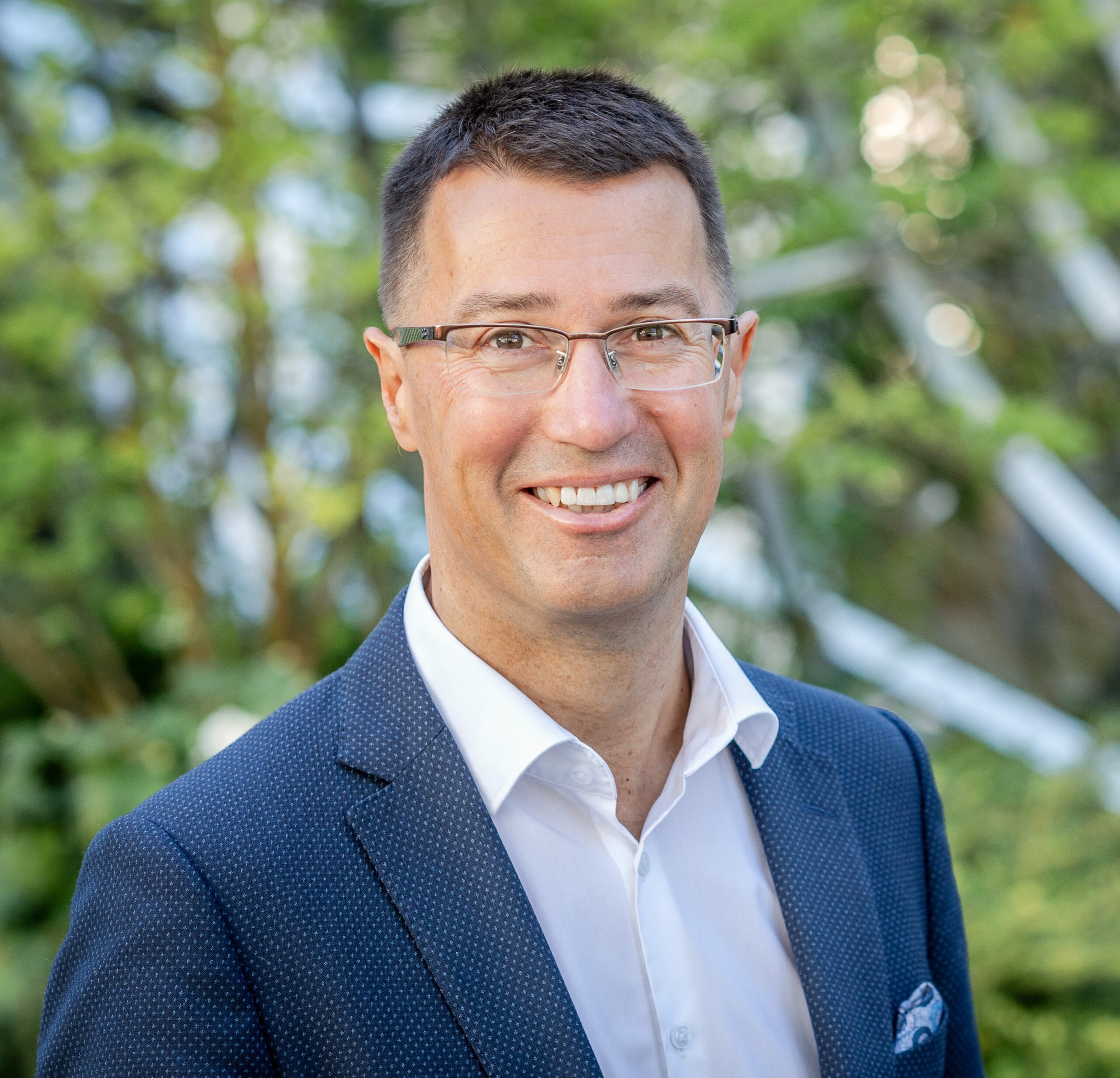
Prof. Dr. Ron M.A. Heeren

11 DEC

14:00-15:00

Single Cell Imaging and implications in clinical diagnostics
Prof. Dr. Ron M.A. Heeren is one of the pioneers in mass spectrometry driven spatial omics. After a PhD degree in technical physics in 1992 he started to work on molecular imaging instrumentation and its application as a research group leader at FOM-AMOLF, Amsterdam. He was professor at the chemistry faculty of Utrecht University (2001-2019) and was appointed as distinguished professor at Maastricht University in 2014. He is the founder and scientific director of M4I, the Maastricht MultiModal Molecular Imaging institute on the Brightlands Maastricht Health campus. He was awarded the prestigious 2019 Physics Valorization prize by the Dutch organization for scientific Research, NWO, the 2020 Thomson medal of the international mass spectrometry foundation and the 2026 Karger medal of the Barnett institute. He is a member of the Royal Dutch Academy of Sciences, KNAW (2021), a fellow of the Netherlands Academy of Engineering (2025) and member of the Koninklijke Hollandsche Maatschappij der Wetenschappen (2026) the oldest academic society in the Netherlands. He is the current president of the IMSF and is appointed at the Technical University Munich as a Hans Fischer Senior fellow (2019-2023) and was named TUM ambassador in 2024 for his academic and collaborative accomplishments. His academic research interests are mass spectrometry based translational research, molecular imaging across the “omics”, high-throughput bioinformatics and the development and validation of innovative molecular analytical imaging techniques across the scientific disciplines.

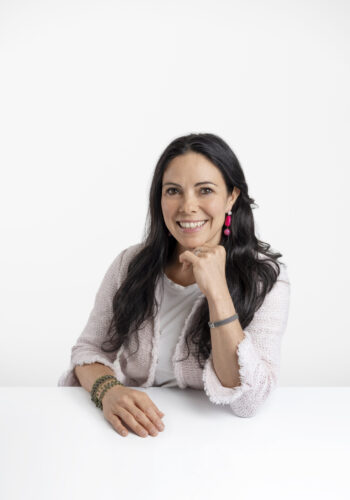
prof. Paola Pozzi

12 DEC

11:30-12:30

Research transfer to business

Paola is since 2018 a partner with the Sofinnova Telethon Fund, Italy’s first biotechnology fund focused on rare and genetic diseases. Prior to that, she was head of the Office of Biotechnology Transfer of Ospedale San Raffaele, an internationally renowned research hospital based in Milan, where she spent 14 years actively promoting and contributing to scouting, protecting and licensing intellectual property, including through the incorporation of start-ups.
Paola got a master’s degree in intellectual property law before heading up the patent portfolio at St. Raffaele.
Prior to her time at San Raffaele, Paola spent more than 2 years working at The National Institutes of Health in Bethesda, Maryland, studying neurobiology using RNA interference.
She holds a degree in pharmaceutical biotechnology from the University of Milan and a master’s in Intellectual Property Law from the Just Legal Services, a legal training school in Milan.
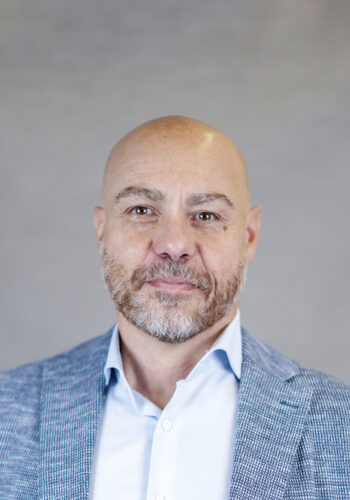
prof. Dario Cattaneo

12 DEC

12:30-13:30

 Present and future of clinical pharmacology and Toxicology
Prof. Dario Cattaneo, PharmD, PhD, is an associate professor at Humanitas University in Milan. Previously, He was the Head of Pharmacology and Pharmacogenetics, Mario Negri Institute for Pharmacological Research, Bergamo, Italy (1997-2008), and consultant pharmacologist at the Luigi Sacco University Hospital Luigi Milano, Italy (2008-2024). From 2019 to 2025, he was the President of the International Association of Therapeutic Drug Monitoring and Clinical Toxicology. His areas of interest are pharmacokinetics, pharmacodynamics, pharmacogenetics, and therapeutic drug monitoring of anti-infectives, immunosuppressants and CNS drugs. He is also interested in the study of potential drug-drug interactions in real-life settings. Prof. Cattaneo is the author of nearly 350 scientific articles published in peer-reviewed journals (>10,000 citations, H-index 50). He has been an invited speaker in nearly 400 congresses organized by national and international societies.

prof. Michael Vogeser

13 DEC

11:30-12:30

Role of MS in precision and personalized medicine

Michael Vogeser is Senior Physician and Professor of Laboratory Medicine at the University Hospital of the LMU Munich, Institute of Laboratory Medicine. His scientific work focuses on the application of mass spectrometric technologies in routine clinical laboratory analysis as translational diagnostics. In addition to automation, method development in therapeutic drug monitoring and endocrinology, a particular focus of his work is on procedural quality and risk management in mass spectrometry and in clinical diagnostics in general.